Communication & Language
From first words and requests to back-and-forth conversation — so your child can tell you what they need and how they feel.
A Parent's Guide
If you're new to all of this — the diagnosis, the acronyms, the appointments — take a breath. Here's a plain-language guide to Applied Behavior Analysis and how it helps kids grow.
The Basics
Applied Behavior Analysis (ABA) is a therapy built on the science of how people learn. The core idea is simple: behavior that gets celebrated gets repeated. ABA uses positive reinforcement — praise, play, and the things your child loves — to teach meaningful skills one achievable step at a time.
ABA is widely recognized as an evidence-based best practice for children with autism and other developmental differences, backed by decades of research. But what matters most: it's individualized. There's no one-size-fits-all program — your child's plan is built around their strengths, needs, and personality.
At Kori's, ABA never looks like a clinic drill. It looks like play, movement, and celebration — because that's how kids actually learn.
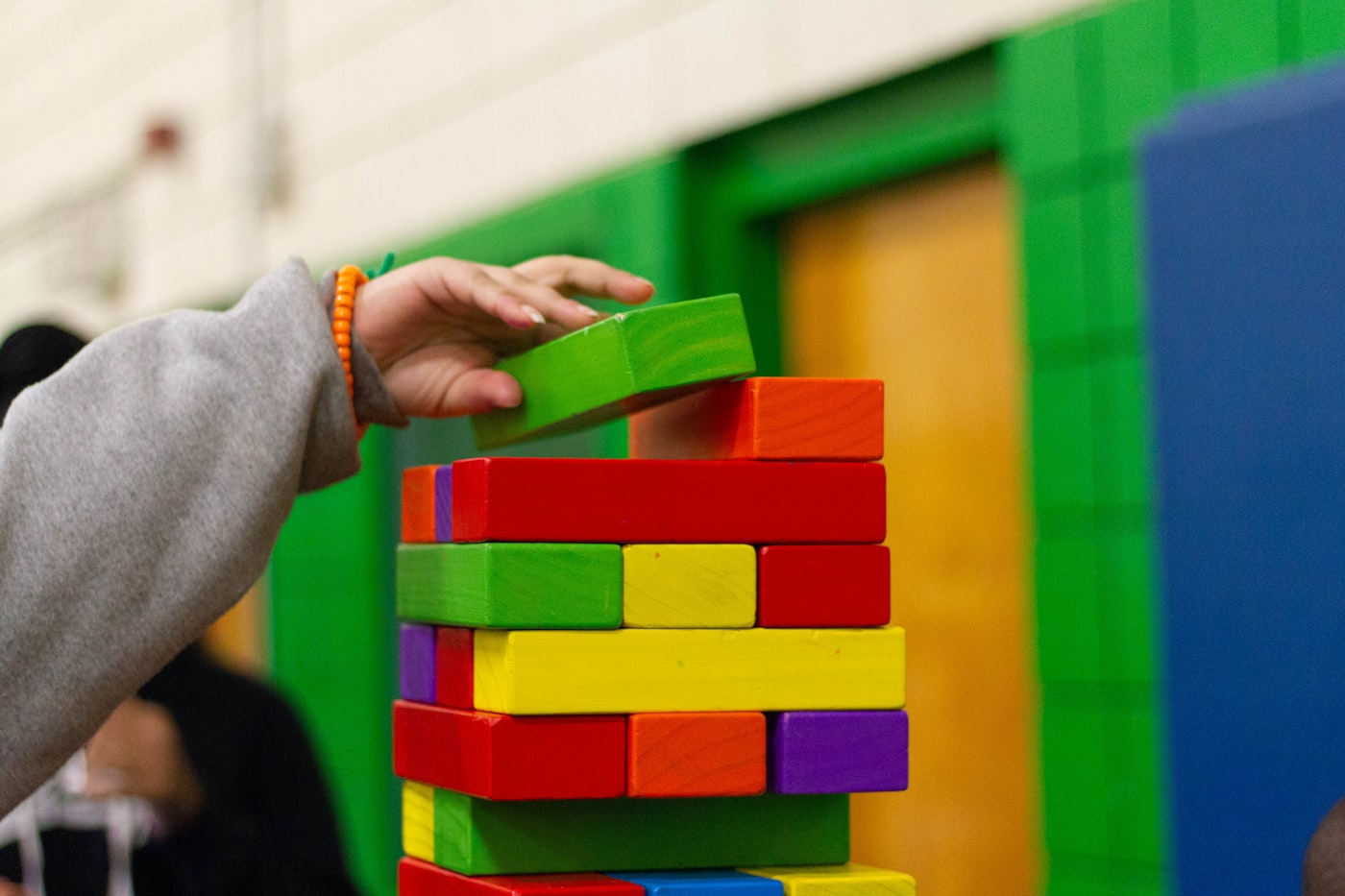
Learning through play
How ABA Helps
From first words and requests to back-and-forth conversation — so your child can tell you what they need and how they feel.
Taking turns, joining a game, reading faces, making friends — practiced in real settings with real peers.
Toileting, dressing, feeding, following routines — the everyday skills that build confidence and lighten the load at home.
Tantrums, aggression, and self-injury usually communicate something. ABA finds the "why" and teaches a safer, easier way to say it.
Sitting for circle time, following instructions, transitioning between activities — the skills that make classrooms work.
Every mastered skill is a win your child feels. And with parent training, you gain confidence too. Progress is a family sport.
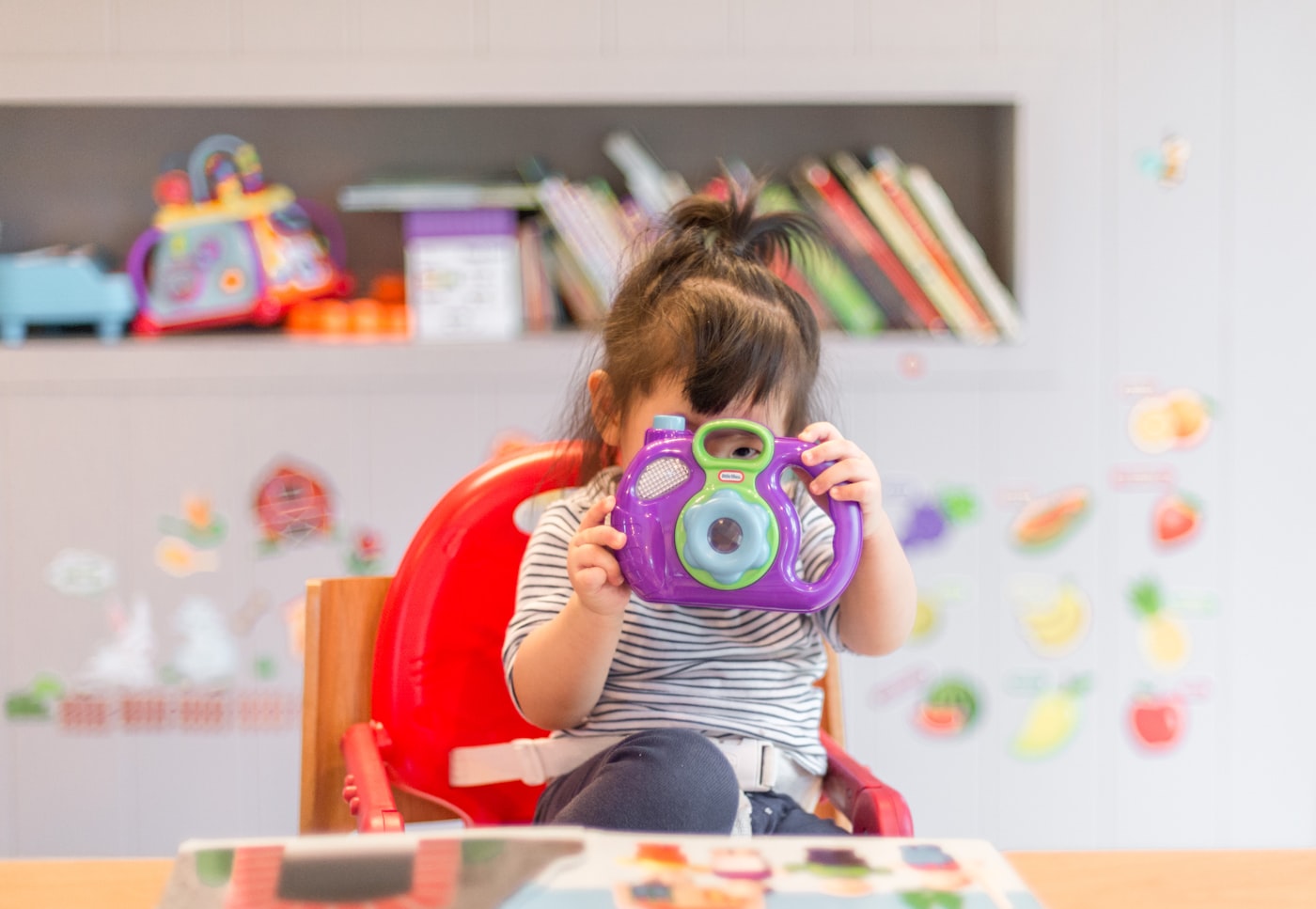
Every child is different
Is ABA Right for My Child?
You know your child better than anyone. If some of these feel familiar, it may be worth a conversation:
A checklist can't diagnose — only a professional evaluation can. But a free phone consultation is an easy, no-pressure first step, and we'll point you in the right direction either way.
Why Start Early?
"Young brains are incredibly adaptable. Research consistently shows that the earlier a child starts, the bigger the gains — which is why we serve children as young as age 1. But it's never too late: we help clients make real progress all the way to age 21."— The clinical team at Kori's Behavioral Center
Behind the Door
Less "clinic," more "the best playdate of the week" — with a plan behind every game.
Sessions start with your child's favorite things — building trust so learning feels safe and fun.
Goals from the treatment plan are woven into games, crafts, movement, and everyday routines.
Your therapist tracks progress in real time, and a supervising BCBA reviews and adjusts the program regularly.
Regular parent check-ins and training mean you always know what we're working on — and how to keep it going at home.
Common Questions
One free phone call with our Clinical Director can answer more than an evening of googling.